Markets reprice when the story changes, not when the spreadsheet does. Richmount finds securities where a cultural, consumer, or behavioral shift is already underway but the price hasn't caught up, and positions ahead of consensus.
The market is efficient at processing what it can already measure. It is slow at pricing what it hasn't measured yet. That lag is the inefficiency we trade.
A stock's price reflects the story the market currently believes. When the story changes in the real world, the price doesn't move until the change shows up in the numbers, and that takes quarters.
Consumer behavior, adoption, and sentiment shift in real time. Earnings report it one to three quarters later. We read the leading layer, not the lagging one.
Institutional mandates require proof before they act. That discipline is rational, but it means the crowd arrives late by design, and pays the repriced price.
This isn't about being first to a rumor. It's a repeatable read on the gap between an observable real-world shift and a still-stale consensus estimate.
A signal is only worth acting on if valuation supports it and risk is controlled. The thesis finds the opportunity; the process decides whether and how much we own.
A narrative read alone is just an opinion. We require a signal to survive three independent lenses before any capital is committed. Each lens answers a different question, and each can veto the trade.
Traditional valuation, balance-sheet quality, catalyst path, and a clear thesis for how and when the security reprices. We are buying mispricings with a route to resolution, never a story alone.
Systematic screens, factor and flow analysis, and historical base rates that test whether the setup has actually paid in the past, and frame position sizing and risk before entry.
The differentiated lens. We read consumer behavior, cultural trends, and narrative signals across alternative data and public discourse to detect a shift before it reaches consensus estimates.
Once a name clears the three lenses, we look at it the way an owner would. Our partners build and run real operating companies, so we read a business by how it actually executes, not only by its filings.
A clean valuation means little if the company can't execute. We assess whether the people and the operation can actually deliver the repricing the thesis depends on.
This operator's lens cuts both ways: it strengthens conviction in a long where execution is sound, and flags fragility where a model looks better on paper than it runs in practice.
Who actually runs the company and who oversees them. Track records, prior outcomes, incentive alignment, and whether the people in the seats have done this before.
Supply chain, logistics, and unit economics assessed for durability and execution risk, where the model is strong, where it strains, and what would have to go right.
What management has actually delivered against what it promised. Real accomplishments and missed targets weigh more than guidance and narrative.
We've sat in the operator's chair. That perspective on how demand, cost, and execution really move is hard to replicate from a terminal alone.
The three lenses run inside a fixed sequence. The order matters: the signal comes first, the fundamentals validate it, and risk controls decide how much we own.
Track consumer behavior, cultural trends, and sentiment across alternative data and public discourse to spot stories moving before they show up in the numbers.
A signal becomes a position only if valuation, catalyst, and financial analysis support a real path to repricing. We buy mispricings, not momentum.
Position sizing, exposure limits, and pre-defined exits are set before entry. Capital preservation is a constraint on every trade, not a slogan.
An anonymized example of the strategy at work. We don't publish live positions, but we do show the shape of a thesis as it plays out, from the narrative signal through the consensus re-rating. This one is still open. The name and full figures are disclosed in the investor deck.
A real position, de-identified. The chart is indexed to 100 at our entry, with no ticker, dates, or axis values shown. We read the narrative shift early, validated and sized into the name, and have held through fundamental confirmation and a sharp re-rating, including the volatility along the way. The position remains open.
Single selected case study, de-identified and indexed to entry. Representative of the strategy's approach, not its only position; not all positions are profitable. Identity and full figures disclosed in the investor deck under NDA. Past performance is not indicative of future results.
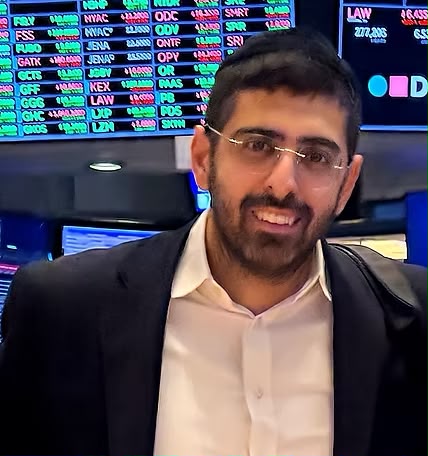
A small partnership with clearly divided responsibility: one person owns the investment decisions, one owns operations and investor relations, one owns the firm and its growth.

15 years across securities and alternative investments. Owns the investment process end to end, from signal to sizing, and built the three-lens framework Richmount runs on. Verified prior track record available under NDA.
Owns fund operations, compliance, and investor relations. Builds and maintains the institutional-grade infrastructure and reporting cadence that lets investors see exactly what they own and why.
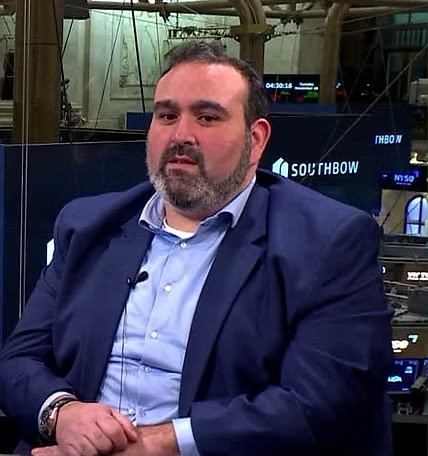
Translates the strategy into the firm's business and growth. Leads capital formation and aligns the fund's structure, partners, and investors around a single, disciplined objective.
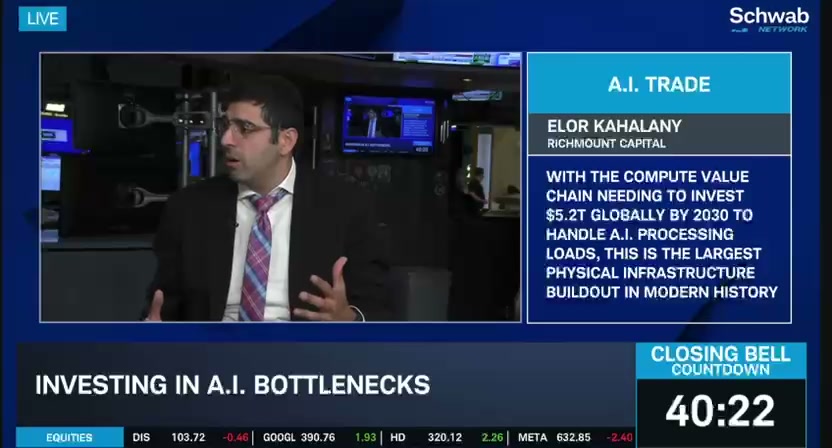
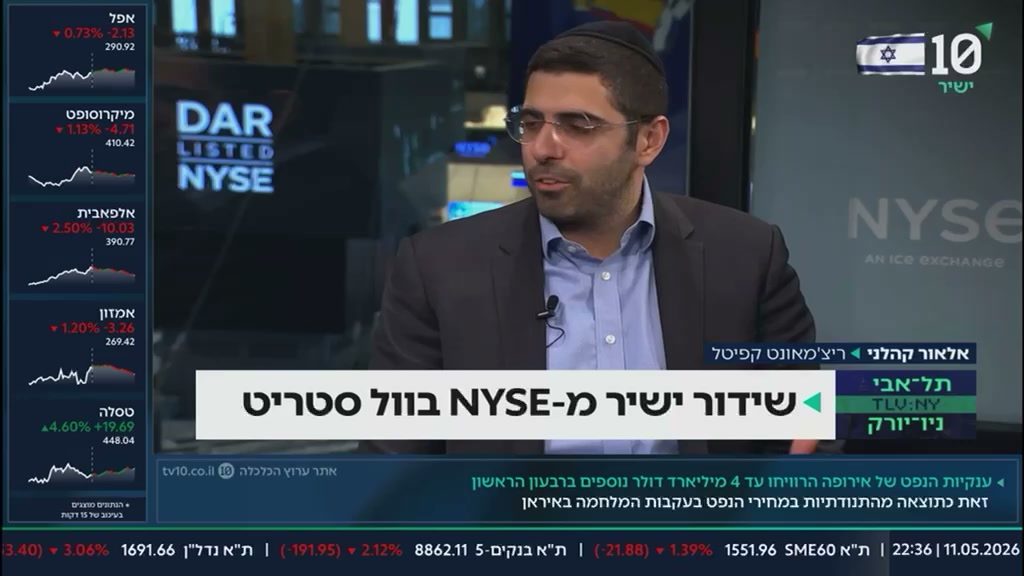
Our partners discuss capital migration and the infrastructure layer of the technology boom across financial television, in the U.S. and Israel.
The investor deck names the case study above, the CIO's verified prior track record, the risk framework, terms, and reporting cadence. Available to accredited and institutional investors under NDA.